

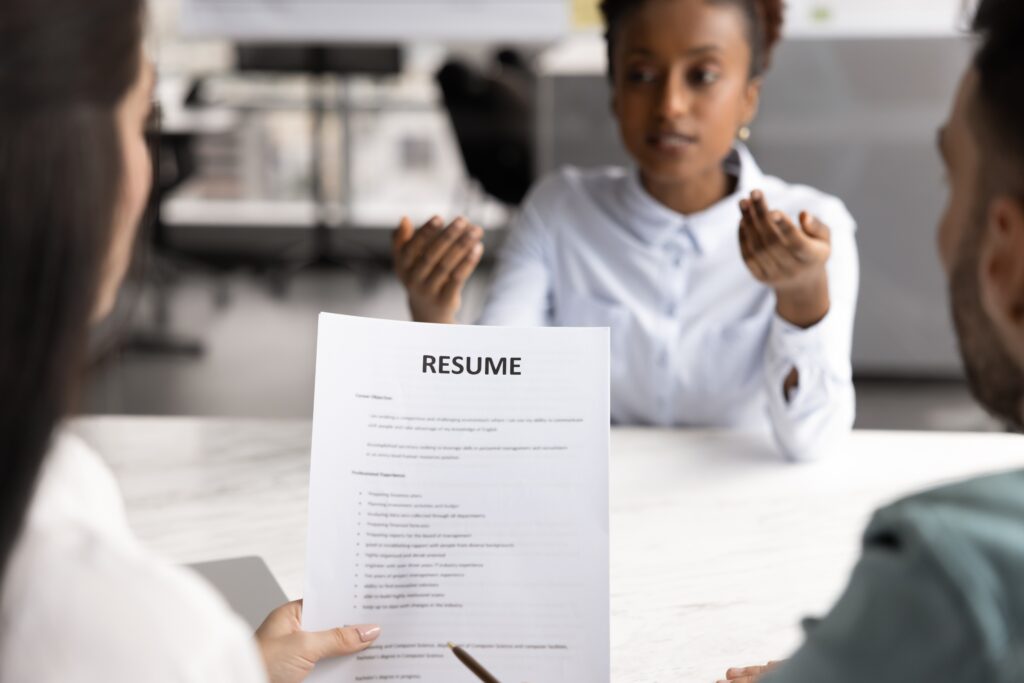
The interview’s done, and now comes the hard part: shutting up. Not forever, just long enough. Send a follow-up an hour later and you look like you’re pacing by the phone. Never send one and you blur into the pile of people they’ve half-forgotten. The whole game of how to follow up after an interview without sounding desperate is finding the middle, one warm, well-timed nudge that says keen, not clingy. This guide covers exactly when to hit send, what to actually write, and the moves that make a recruiter wince. And because waiting on one reply is misery, we’ll show you how to keep the search alive on Apna.
Should You Follow Up After an Interview?
Yes, nearly always, and here’s the catch: once. A single sharp follow-up keeps your name warm in a recruiter’s crowded head. Five frantic ones do the opposite, and then some.
- Why Recruiters Appreciate Professional Follow-Ups
It reads as interest, not noise. One clean note marks you as the organised, keen one, while half the room just evaporates after the goodbye.
- When Following Up Adds Value
When their own deadline has slipped. They promised Friday, Friday came and went, so now a soft check-in isn’t just fine, it’s expected.
- Situations Where You Should Wait
When they told you to sit tight. Give us a fortnight means exactly that, and pinging on day two just proves you don’t listen.
When Is the Right Time to Follow Up?
This is the bit that trips everyone. Fire too early and you’re needy, drift too late and you look gone. Wait for the date they named, add a day, then move.
- Following Up After the Promised Decision Timeline
Let their clock run out first. If Wednesday was the word, Thursday is your window, because chasing early just looks twitchy.
- Timing for Different Hiring Processes
Small shops move fast, big ones crawl. Read the room, since a scrappy startup and a giant bank keep wildly different calendars.
- How Long Should You Wait Before Sending Another Follow-Up?
A week between nudges, minimum. And two nudges is the whole budget, after which silence is your answer and you let it be.
What to Include in a Follow-Up Message
Say four things, fast, then get out. Thanks, I want this, here’s why, any news. That’s the entire recipe, and anything longer is you overthinking it.
- Thank the Interviewer for Their Time
Start with a real thank-you. A warm opening line earns you a little goodwill before you’ve gone and asked them for a single thing in return.
- Reaffirm Your Interest in the Role
State it flat out. A plain still very keen on this beats a paragraph of breathless adjectives every time.
- Briefly Highlight Why You’re a Good Fit
One line, one reason. A quick nod to the strength they cared about jogs the memory without replaying the whole hour.
- Politely Ask for an Update
End soft, not pushy. A simple any update when you get a chance does the job, no ultimatums required.
Follow-Up Email vs Follow-Up Message: Which Should You Choose?
Channel matters as much as content. Email is the safe bet, but really you just mirror however they’ve been reaching you. Talk to them where they already talk to you.
- When to Send an Email
Default to email nine times out of ten. It’s professional, unobtrusive, and the natural home for anything remotely formal.
- When a LinkedIn or WhatsApp Message Is Appropriate
If the whole chat’s been on WhatsApp, stay there. A sudden stiff email after days of casual pings just feels off.
- Maintaining Professional Communication Across Channels
Same manners, every channel. Casual doesn’t mean sloppy, and a screenshot of a rude line outlives any single conversation.
How to Write a Professional Follow-Up Without Sounding Desperate
Everyone frets about this, and it’s easier than it looks. Desperation shows up in length and repetition, never in the act of following up. Keep it tight, kind, and one-and-done.
- Keep the Message Short and Respectful
Four lines, no more. A block of text screams nerves, while a crisp note says busy, confident person who happens to be keen.
- Avoid Repeated Requests for Updates
One ask, full stop. A “where do things stand” every couple of days flips you from promising to exhausting in a hurry.
- Focus on Appreciation Instead of Pressure
Thank, don’t push. Gratitude feels warm, whereas a nudge with a deadline baked in feels like you’re already bossing them around.
- End With a Positive and Professional Closing
Land it light. A thanks again, hope to hear soon, closes the door gently and leaves zero whiff of panic.
Common Follow-Up Mistakes That Hurt Your Chances
A handful of missteps can undo a great interview. Every one is a version of trying too hard. Dodge these four and your note earns its keep.
- Following Up Too Soon
Next-morning chasing is amateur hour. Give them room to actually make the decision before you come bouncing back into their inbox the very next day.
- Sending Multiple Messages Every Few Days
A drumbeat of pings smells like panic. Each unanswered one erodes the cool, capable version of you they met.
- Sounding Frustrated or Demanding
Keep every trace of irritation out. A clipped still waiting with attitude behind it can tank you faster than pure silence.
- Writing Long or Generic Messages
No essays, no obvious templates. A bloated copy-paste note tells them you’re spraying the same lines at ten companies.
What to Do If You Don’t Receive a Response
Getting ghosted stings, but it’s seldom about you. Roles freeze, people vanish on leave, approvals get stuck upstairs. One last note, then you genuinely move on.
- Send One Final Polite Follow-Up
A single graceful closer, then done. However the whole thing shakes out, you walk away looking like the bigger professional, and that reputation travels further than you’d think.
- Continue Your Job Search
Never pause life for a ‘maybe’. Keep applying, because a pending answer is worth nothing until it’s an offer in writing.
- Learn From the Experience and Move Forward
Pocket the lesson, drop the rest. Being ghosted is a verdict on their process, not on you, so leave it at the door.
How Recruiters View Follow-Up Messages
Flip to their side of the table for a second. A sharp follow-up genuinely nudges you up; a needy one genuinely drags you down. The gap between the two is tiny.
- What Creates a Positive Impression
Short, warm, and well-timed does it. One genuinely thoughtful line reminds them you’re keen, organised, and refreshingly painless to deal with.
- Behaviors That Raise Red Flags
Pushy and repetitive kills it fast. Nobody wants to hire the person who’s already exhausting to deal with before they’ve even shown up on day one.
- Why Patience Matters During Hiring
Hiring drags for boring reasons. Panels, approvals, packed diaries, so holding your nerve reads as maturity, not weakness.
Continue Applying While Waiting for a Response
Here’s the sanity-saver: never ride one horse. Pinning everything on a single result is stressful and a little foolish. Keep the whole engine running.
- Avoid Pausing Your Job Search
Don’t freeze for one interview. Waiting on a single hope just hands the power to a company that hasn’t even decided.
- Keep Attending Interviews
Take every round you can. Practice sharpens you, and oddly enough, the more you’ve got going on at once, the calmer you feel walking into each one.
- Build Momentum With Multiple Opportunities
Options change your whole posture. Three live prospects and you walk taller, negotiate harder, and sweat far less.
How Apna Helps You Stay Active During Your Job Search
The cure for waiting-jitters is a busy pipeline, and Apna makes busy easy. New roles daily, fast applies, all in one spot. Here’s how to spend the limbo well.
- Discover New Opportunities Daily
Fresh listings drop constantly. A morning scroll keeps options flowing, so no single silence can ruin your week.
- Apply to Relevant Jobs Faster
Filter, match, tap, done. The less friction to apply, the more good shots you actually take.
- Track Your Applications and Stay Recruiter-Ready
Keep it all tidy and current. An organised profile means you’re ready the second a recruiter comes knocking.
Conclusion
Following up is a small move that punches above its weight. Warm, brief, well-timed, then hands off and let it breathe. That alone makes you look like the calm hire they want.
A Thoughtful Follow-Up Reflects Professionalism
One good note beats ten anxious ones. It signals keen, composed, and easy to work with, in barely three lines.
Stay Patient, Positive, and Proactive Throughout Your Job Search
Patience on this one, hustle on the rest. Hold steady while you stack up options, and the right yes usually turns up.
FAQ
How long should I wait before following up after an interview?
Wait for the date they gave, then add a day. No date mentioned? About a week is the safe, respectful gap before your first note.
Is it okay to send a follow-up email after every interview?
Yes, a short thank-you after each is smart. It’s polite, memorable, and rare enough that it actually helps you stand out.
How many times should I follow up if I don’t get a response?
Two, tops, well spaced. A nudge once their deadline passes, a gentle closer after that, and then you let it rest.
Can following up improve my chances of getting hired?
At the margins, yes. It won’t save a poor interview, but in a close call it can edge you past someone who never bothered.
What should I avoid saying in a follow-up message?
Anything impatient, demanding, or endless. No deadlines, no guilt, no third message in a week, because that all reeks of desperation.
Should I keep applying for jobs while waiting for interview feedback?
Always. A pending result isn’t an offer, so keep applying and interviewing until you’ve got something signed in hand.
